
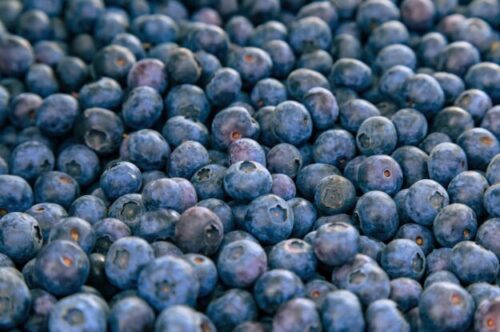
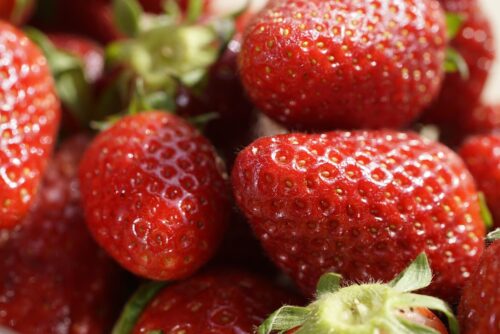






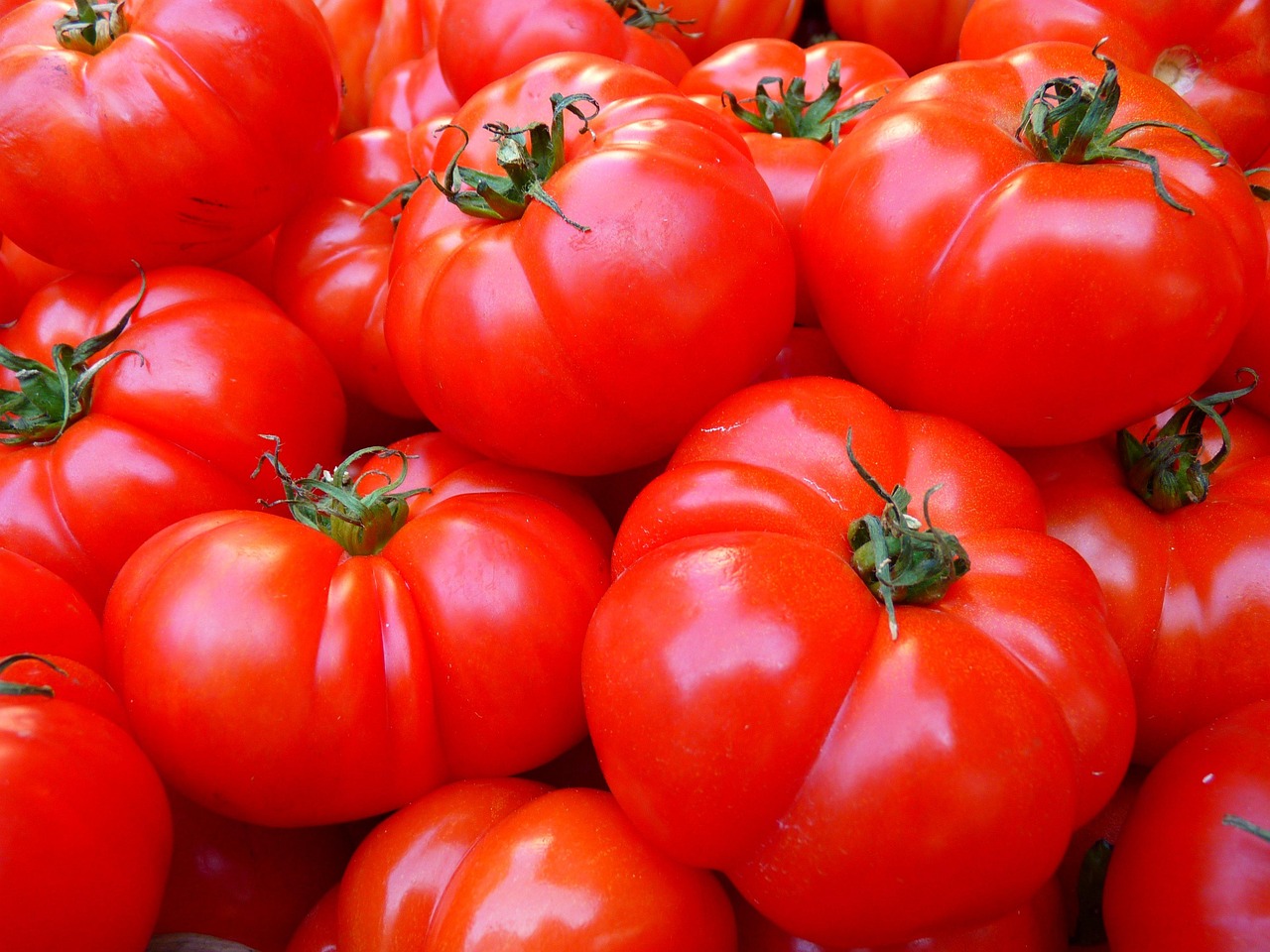
Berries are small, pulpy, and often edible fruits, typically sweet, sour, or tart, and brightly colored. While the term “berry” is commonly used for various fruits, botanically, a berry is defined as a fleshy fruit with seeds and pulp produced from a single flower with a single ovary. Examples include grapes, tomatoes, and bananas, although some culinary “berries” like strawberries and raspberries are not botanically classified as berries.
Botanical Definition:
- A berry is a simple fruit developed from a single flower with one ovary.
- The entire outer layer of the ovary wall ripens into a potentially edible pericarp.
- Botanists distinguish between “true berries” (like grapes) and other fruits commonly called berries.
Commonly Called Berries:
- Fruits like strawberries, raspberries, and blackberries are often referred to as berries in everyday language.
- These fruits are characterized by their small size, pulpy texture, and bright colors.
Nutritional Value and Health Benefits:
- Berries are a good source of vitamins, minerals, and antioxidants.
- They are often rich in vitamin C, fiber, and various antioxidants, including anthocyanins.
- Berries may help improve heart health, reduce the risk of type 2 diabetes, and offer other health benefits according to Healthline.
- They are also relatively low in calories and can be a healthy addition to a balanced diet.
Examples of Berries:
- Botanical Berries: Grapes, tomatoes, bananas.
- Culinary Berries: Strawberries, blueberries, raspberries, blackberries, cranberries, etc.
- Indian Berries: Ber (Indian Jujube), Jamun (Java Plum), Amla (Indian Gooseberry), Karonda (Carandas Plum), Phalsa (Indian Sherbet Berry), Kokum (Goa Butter Tree), Rasbhari (Cape Gooseberry) according to Ugaoo.








Reviews
There are no reviews yet.